What Is Chocolate Tempering? Why It Matters for Proper Snap & Shine
What is chocolate tempering and why does it matter? Discover how proper tempering creates shine, snap, and smooth texture in premium chocolate.


Ever snapped a chocolate bar and heard that clean, sharp crack? That’s not luck. That’s tempering.
Chocolate tempering is one of the most important steps in making high-quality chocolate. When done correctly, it creates shine, structure, and that satisfying snap. When done poorly, it leads to dull surfaces, soft texture, and white streaks known as bloom.
Let’s break down what proper tempering really means and why it matters.
Tempering is the process of carefully heating and cooling chocolate to control how the cocoa butter crystals form.
Cocoa butter can solidify in several different crystal structures. Only one of those structures, known as Form V, gives chocolate the glossy finish, firm snap, and smooth melt we all expect from premium bars.
Tempering ensures the chocolate sets in this stable structure.
When chocolate is correctly tempered, it:
This is why premium chocolate feels solid but not brittle, firm but not waxy.
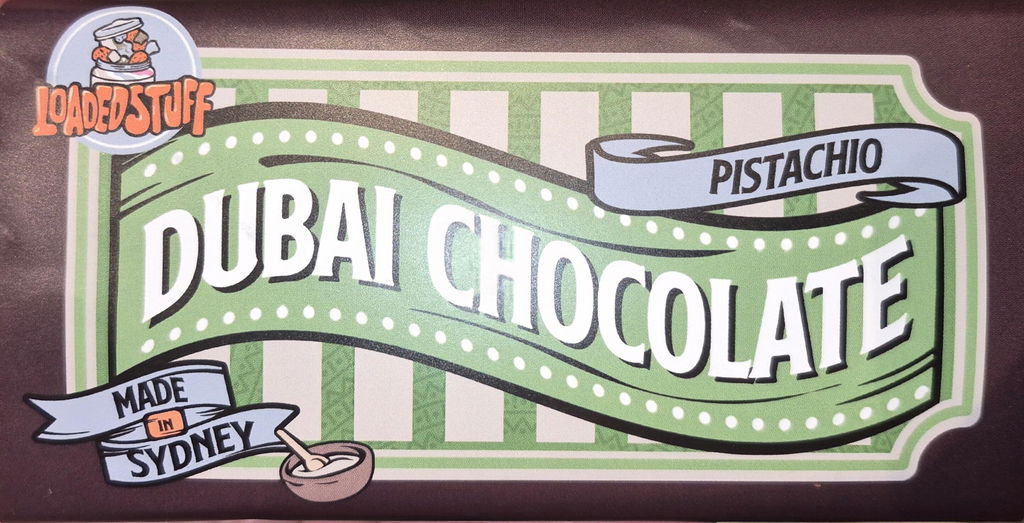
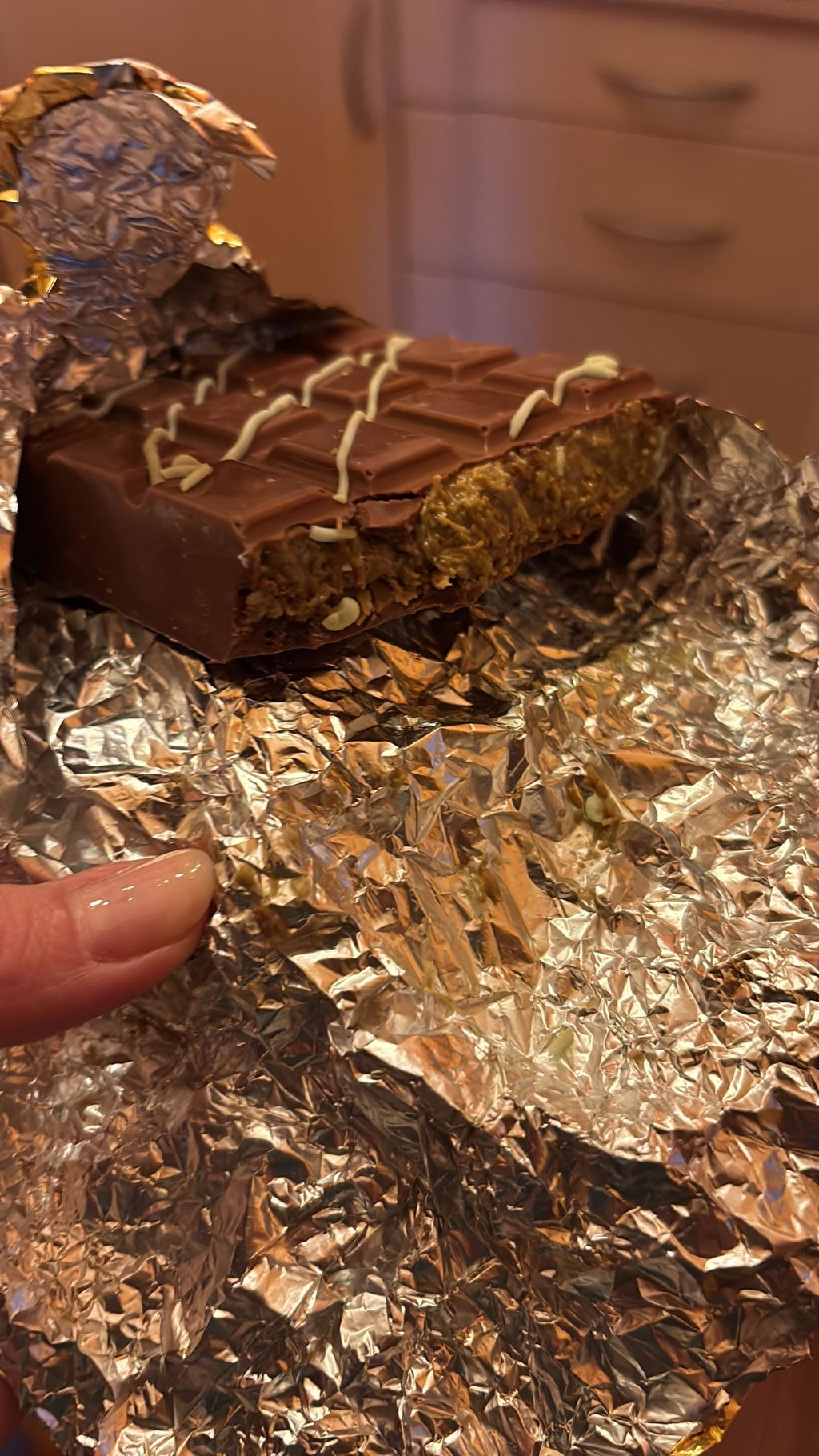
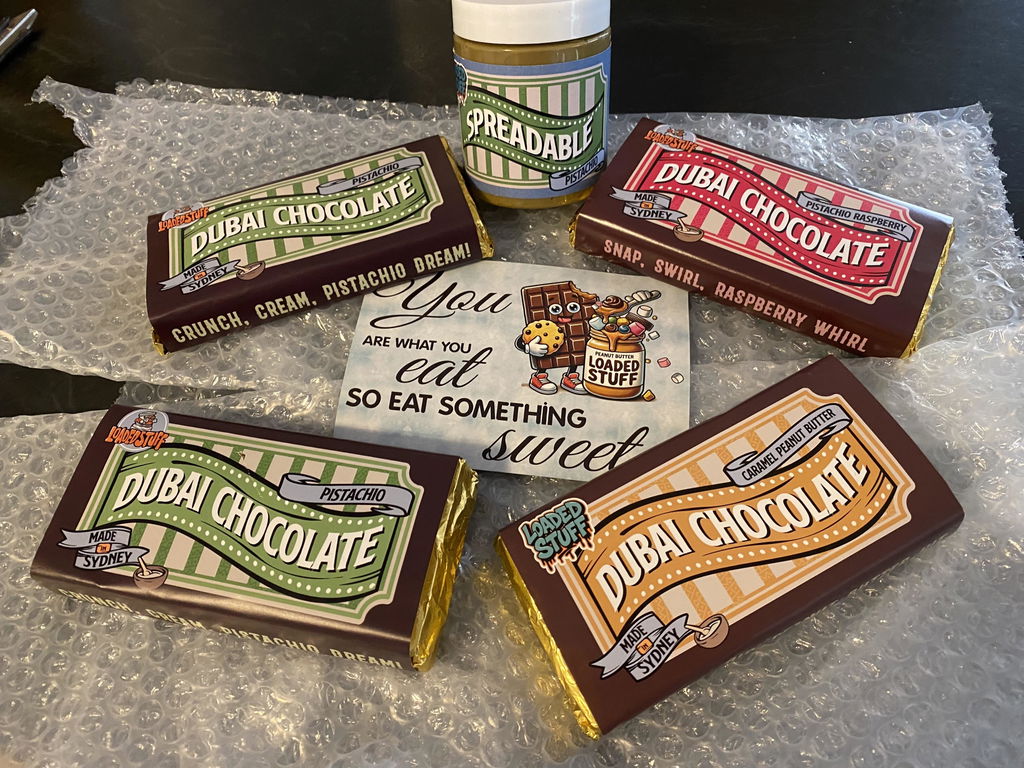
Proper tempering is especially important in filled bars like our Chocolates, where the outer shell needs to hold structure while enclosing a creamy pistachio centre.
When chocolate is not tempered correctly, several problems appear:
Fat bloom happens when cocoa butter crystals form improperly and rise to the surface. It doesn’t make chocolate unsafe to eat, but it affects texture and appearance.
Poor tempering also weakens structure. Filled bars may feel soft, bend instead of snap, or melt too easily in warm conditions.
High-quality chocolate relies on structure.
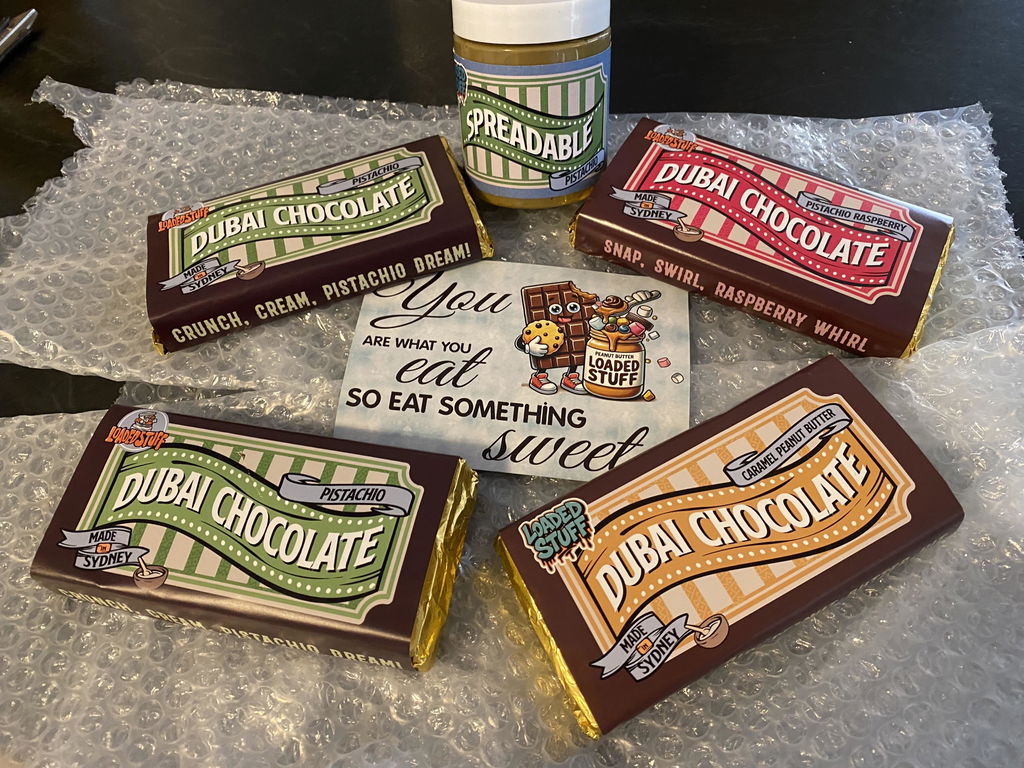
When you browse our full Chocolate Collection, every bar depends on precise tempering to achieve:
Without proper tempering, even the best ingredients can feel amateur.
The signature “snap” is a direct result of stable cocoa butter crystals aligning properly.
When chocolate cools too quickly or unevenly, unstable crystal forms dominate. These create a softer structure that lacks shine and firmness.
Tempering carefully controls temperature in stages to encourage only the stable crystal form to develop.
Tempering becomes even more important in filled chocolates.
For example, in layered products like Dubai chocolate or crunch-based bars, the outer shell must:
If the shell is poorly tempered, the entire eating experience changes.
Yes. Tempering does not make chocolate heat-proof.
It simply stabilises the crystal structure so the chocolate holds its shape better at normal room temperature. In hot Australian weather, even perfectly tempered chocolate can soften if exposed to high heat for long periods.
Look for:
These are signs of careful craftsmanship.
Tempering takes time, precision, and temperature control.
Large-scale shortcuts can lead to inconsistent results. In contrast, careful tempering ensures every bar sets correctly, looks professional, and delivers that satisfying snap.
Tempering is not just a technical step. It’s the foundation of how chocolate looks, feels, and tastes.
Without it, even premium ingredients fall flat. With it, chocolate becomes glossy, structured, and indulgent.
That’s why proper tempering sits at the core of every bar in our Chocolate and especially in our Dubai Chocolate.
What everyone's adding to cart right now - These are the top trending products right now.
From our Dubai chocolate's to loaded dessert jars and spicy viral challenges, explore the products everyone’s talking about.


Think you can handle the world’s hottest spicy snacks? Take on the viral One Chip Challenge and World’s Hottest Chocolate for an intense heat experience made for chilli lovers, challenge seekers, and fans of extreme spicy food